Asking for Clarity: Effective Communication Techniques
Why Seek Clarification
Not assuming and avoiding misunderstandings is important for productive discussions. Ask questions to ensure both parties are on the same page. People communicate differently so misunderstandings arise easily. Clarifying questions help keep discussions constructive by verifying understanding. Vague messages risk misinterpretation, so requesting specificity fosters comprehension.
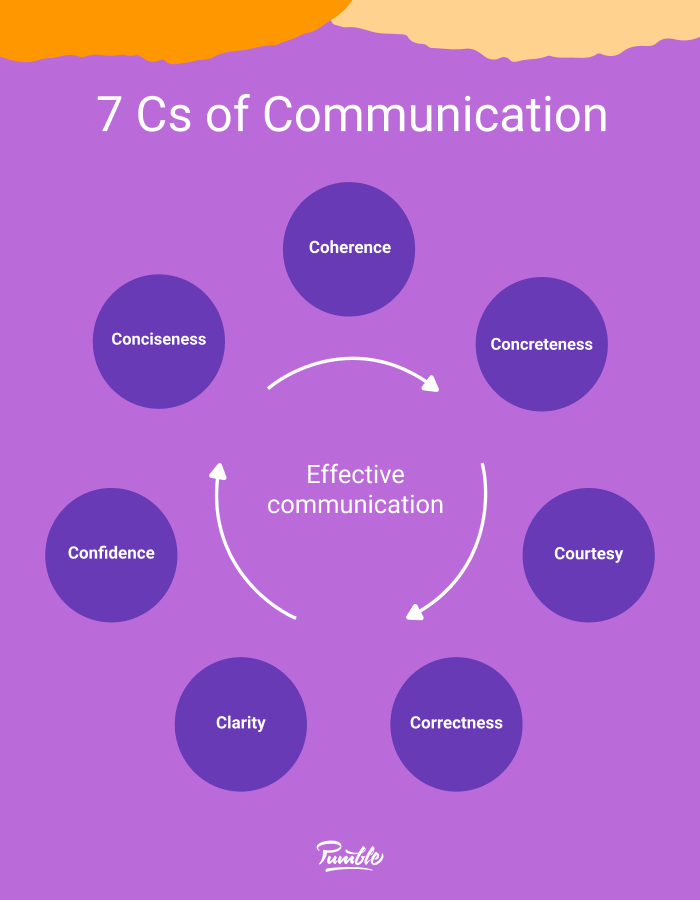
Effective Clarifying Questions
“Can you explain what you mean by…” prompts elaboration. “What specifically are you referring to…” encourages focus over broad interpretations. “Could you provide an example…” helps illustrate abstract ideas tangibly. These question types invite explanation without accusation.
Phrasing Clarifying Questions Tactfully
Admit lack of understanding politely with “I’m not following…” or “Pardon my confusion, but…”. These signal openness to clarification without embarrassment. Checking mutual understanding respectfully uses “I want to make sure I understand correctly, is…”. Affirming comprehension maintains rapport for further discussion.
Situations Requiring Clarification
Seek clarity for technical jargon, vague referents like “this” or “that”, or ambiguous assignments, expectations or responsibilities. Precision is paramount in legal, medical or project contexts. Emotional or high-stakes discussions especially require ensuring understanding.
Contexts Where Clarification Thrives
Clarification fosters success in work project planning, task delegation or reviews. It facilitates learning in academic lectures, exams or assignments. Precision prevents medical errors and guarantees treatment consent. Legal and government work depend on clear comprehension.
Direct versus Indirect Questioning
Direct questions minimize confusion but could feel confrontational. Indirect phrasing maintains rapport while obtaining understanding. Tone and empathy matter greatly - asking clarifies without accusation. This encourages resolution over defensiveness.
Responding Helpfully to Questions
Answer fully and transparently, avoiding vagueness, exceptions or jargon. Thank question-askers and help resolve all uncertainties. Clarification makes discussions solution-oriented versus confused or argumentative. It builds relationships on transparency and mutual comprehension.
Confirming Comprehension
Retrace explanations after complexity, length or many details. Do so before agreeing to important decisions or plans of action. Where misunderstanding risks significant consequences, restating comprehension provides reassurance. This verifies everyone proceeds using consistent understandings.
Cultivating a Culture of Clarification
Seeking clarity minimizes miscommunication problems. It promotes solution-focused rather than confused discussions. People feel comfortable admitting uncertainties without judgement. Teams and relationships thrive with this foundation of transparent mutual understanding.